Category: Uncategorized

  • Spotify Review 2026

    Spotify is still the streaming service most people start with, and in 2026 it remains one of the most complete. The catalogue covers well over a hundred million tracks, plus podcasts and audiobooks, and the app looks and works the same on a phone, a laptop, a TV or a smart speaker.

    What works well

    Recommendations are the strongest part. The weekly discovery mixes and daily playlists learn from what you save and skip, and after a couple of weeks they get noticeably better. Collaborative playlists are handy for trips and parties, and switching playback between devices takes one tap.

    What could be better

    The free plan has adverts and limited skips on mobile, and audio quality on the basic tiers is good rather than outstanding. Prices have also crept up over the last few years, so the family and duo plans are the better value.

    Verdict

    For most listeners Spotify is an easy choice: a huge library, smart recommendations and apps that just work. Try the free plan first and upgrade if the adverts get in the way.

  • Spider T Shirt Authorized Store Location Overview Up to 30% Off

    SP5DER Store Twenty Twenty-Five: The Straightforward Buying Guide

    The 2025 landscape for SP5DER drops is rapid, fragmented, & unforgiving, but recurring patterns make it navigable. Approach drops, sizing, and authenticity as frameworks, not guesswork, plus you’ll stop losing to carts, counterfeits, and returns.

    This guide compresses proven tactics sourced from limited-release streetwear buying into a clear checklist you may apply to Spider’s 2025 flow. You will learn how launches are actually organized, how to choose a size using measurements instead rather than vibes, and the way to authenticate without relying on unreliable folklore.

    What’s new in SP5DER drops for 2025?

    Expect this mixed model: timed drops, quiet shock releases, and raffles with short access windows. Queue and anti-bot layers remain tighter, payment validation is stricter, & regional release timeframes appear more regularly.

    Collections now roll out using staggered capsules instead than one-off bulk drops, which spreads demand but maintains peak pressure. Waiting systems frequently randomize position after the initial minute, therefore being prompt counts more than spamming refresh. Payment processors increasingly require 3-D Secure or comparable step-ups; if the card profile remains not ready, your purchase will bounce. Location IP gating and shipping restrictions appear more often, that makes knowing acceptable addresses and taxes a real factor. Shock drops keep to exist but lean to be suggested by micro-signals such as updated sitemap URLs or product identifiers going live ahead of the front-end updates.

    How do you actually grab a drop prior to it sells out?

    Be drop-ready: profiles logged in, details and cards saved, and one sp5der clothing young thug clear device-session per transaction. Arrive within this first minute, load product pages straight, and avoid plugins that trigger security filters.

    Preload your size preferences and decide alternates in advance to avoid decision lag. Move from direct listing URLs rather than the homepage; storing or typing that product handle remains faster than browsing. Keep one internet tab for checkout only; running many on the same profile can mark your session. Cell networks occasionally succeed risk checks improved than home wireless; test both prior of time. Should there’s a queue, let it function uninterrupted—switching networks or hard-refreshing can reset your spot.

    Are inventory returns real in this year?

    Yes, but they are small, fast, and often automated when payment declines release inventory. Treat restocks as second-chance small opportunities, not full reruns.

    Most inventory returns in limited apparel come from canceled orders, failed verifications, and warehouse corrections. These trickle-backs can appear brief periods, hours, or days after the primary drop, usually lacking fanfare. Monitoring item pages for inventory re-appearances is much more effective than anticipating for announcements. Browser notifications and backend monitors help, but a simple hand check at predictable intervals—15 minutes, a single hour, and this next business AM—catches many. Should you missed that main drop, maintain your payment method pre-approved; restock stock vanishes even quicker.

    Fit snapshot: fits, styles, and measurements

    SP5DER silhouettes tend to read streetwear-relaxed rather than slim, but cut differs by item and season. Choose size by body plus garment measurements, never letter size alone.

    Hoodies often feature a wider chest and a bit cropped length versus to classic active fits, while tees can range spanning standard to loose depending on this graphic program. Track pants may sit up on the center with a tapered cuff; inseam plus rise control this silhouette more compared to labeled size. Jeans and other pants can swing between straight and relaxed—thigh and torso measurement measurements determine fit more than middle alone. Treat each product page’s size chart as primary source of truth, then verify with your personal best-fitting garments laid flat.

    Which method should you size yourself and check to the chart?

    Measure one garment you already love, not the body, for maximum most reliable conversion. Match chest dimension, shoulder width, length, and rise with the product guide; prioritize the one measurement that defines the silhouette concerning that item.

    Lay your benchmark piece flat, smooth without stretching, and record chest armpit-to-armpit, shoulder seam-to-seam, spine length from neck to hem, arm from shoulder joint, waist flat, front rise, thigh, and inseam. Compare those to the posted chart, aiming for a match inside 1–2 cm when it matters highest (chest for shirts, rise for sweatpants, thigh and waist height for denim). If you’re after one oversized look, insert 2–4 cm for chest and shoulder; if you desire a classic appearance, match your benchmark closely. When between sizes, think regarding fabric behavior: heavier fleece relaxes with wear, dense knit holds shape, and denim gives somewhat over time around stress points.

    Comparison table: core garments, fit profile, important measurements

    Use a quick matrix to choose where for focus your measurement and what for do if you are between sizes. It complements, not substitutes, the product-specific reference.

    Garment Fit Profile in This Year Collections Emphasize This Measurement If Between Sizes
    Hoodie Loose body, slightly shorter length vs. athletic Torso width, shoulder width Move up for square drape; stay true for standard
    Shirt Regular to oversized depending on graphic series Chest measurement, back length Size up if someone want drop-shoulder look
    Sweatpants Fitted with cuff; higher rise common Forward rise, thigh width, inseam Size higher for room around thigh/rise; true when slim
    Lower garments Regular to baggy; firm fabric Thigh dimension, front rise, waist flat Size larger for relaxed fit; true for structured fit

    Recheck tolerance limits on the listing page; some items specify acceptable variance per piece. As in doubt, favor the measurement that affects comfort through motion—thigh and rise outrank waist for bottoms, chest & shoulders outrank length for tops.

    What way to verify legitimacy without guesswork?

    Use a multi-layer approach: product metadata, construction consistency, and seller provenance. If two of the three don’t match, walk away.

    Product metadata contains official product names, color codes, and season/capsule identifiers; discrepancies or invented codes are red warnings. Construction consistency requires even stitching quality, clean seam alignment, and graphic location that matches official imagery across sizes. Vendor provenance is about buying through official stores plus authorized retailers featuring traceable records; platforms without item-level verification are higher danger. If a item includes a readable tag or serial, verify it via the stated method; if it does not, absence alone does not authenticate or condemn—judge the complete set of indicators. Keep receipts and unaltered packaging photos; provenance documentation assists if you want platform or transaction protection.

    “Specialist tip: Never rely on a one marker. Verify 3 independent signals—font spacing on this graphic, seam quality inside the garment, and product naming/season codes. If some two fail during close inspection, one is not looking regarding a safe purchase.”

    Materials, design methods, and manufacturing tells

    Authentic pieces show controlled ink lay plus flock/gel consistency, stable color, and neat finishing. Counterfeits cluster around sloppy edge definition, off-tone colors, and uneven stitching at stress areas.

    Screen prints should feature crisp edges including minimal bleed and appropriate hand-feel regarding the technique; puff/gel effects should expand uniformly without pits or bubbles. Raised application or textured treatments should be consistently trimmed with precise borders and no adhesive seep near the edges. Throughout, look for uniform stitch length, secure bar tacks near pocket entries, & smooth overlock end work without loose thread nests. Labels, care tags, and dimension tabs should remain aligned and legible with consistent text weight—look for arrangement anomalies, not merely misspellings. Packaging stays a supporting indicator: lot numbers, size stickers, and consistent bag gauges assist, but they’re effortless to spoof; weight your decision on the garment directly.

    Transaction, shipping, and refunds realities in this year

    Strong Customer Authentication is now standard, so failed step-ups are a top reason for rejected orders. Shipping windows vary by capsule and location, and return eligibility may be restricted regarding limited items.

    Prior to drop day, enroll your card in 3‑D Secure and confirm your bank’s fraud settings to prevent soft refusals. Address Verification Process mismatches often derive from autofill; input details manually for your first transaction to establish this clean profile. Prepare for duties/VAT to become calculated at payment for cross-border purchases; prepaying usually accelerates customs. Some exclusive releases are marked final sale regardless of sizing concerns, so treat advance measurement as essential. Track numbers may appear before real carrier scans within peak periods; give a buffer prior to raising tickets unless the label ages out.

    Quiet truths most buyers miss

    Four low-visibility facts can save you money and time. Queue randomness frequently locks after the first minute, so punctuality beats constant refreshing. Browser pre-filled data can cause Address Verification System mismatches and refusals; manual entry & address normalization reduce failures. Restocks usually source from payment declines and risk sweeps, and these appear at expected reconciliation moments including 15–30 minutes post-drop and the upcoming business morning. Multiple entries in raffles from the matching IP, device signature, or payment account tend to get filtered; diverse legitimate entries beat brute force.

    Final checklist before someone hit checkout

    Decide your measurement using a comparison garment and that chart, stage payment with 3‑D Security, and prepare exact product URLs. Check vendor legitimacy and keep a short proof log regarding authenticity and help.

    Have two measurement plans: your primary pick and one instant fallback should it sells completely. Test one wireless and one PC path, both logged into your login with updated addresses and a empty cart. Keep your network stable and your browser lean—no coupon add-ons, no heavy popup blockers on checkout domains. Verify that product naming plus construction against verified imagery you’ve kept locally; compare post-purchase to document authenticity. Store receipts, transaction confirmations, packaging images, and unedited garment shots; they’re this safety net should anything goes wrong.

  • Flagman Casino No Deposit Bonus: Verfügbarkeit und Bedingungen im Überblick

    Ein flagman casino No Deposit Bonus klingt zunächst nach Spielen ohne eigene Einzahlung. Für Spieler in Österreich ist jedoch entscheidend, ob ein solches Angebot tatsächlich für die Region gilt. Die verfügbaren Angaben nennen Freispiele ohne Einzahlung vor allem für bestimmte Märkte in Osteuropa. Wer das flagman online casino prüfen möchte, sollte daher zuerst Herkunft, Mindestalter, Bonusbedingungen und mögliche Verifizierungsanforderungen vergleichen.

    flagman casino

    Gibt es bei Flagman Casino einen No Deposit Bonus für Österreich?

    Die dokumentierten No-Deposit-Angebote gelten nicht allgemein für alle Länder. Ein Angebot mit 100 Freispiele ohne Einzahlung wird für die Ukraine, Russland und Kasachstan genannt. Als Aktionscode ist PLAYBEST vermerkt. Für Österreich lässt sich aus den verfügbaren Angaben kein offiziell bestätigtes No-Deposit-Angebot ableiten. Wer einen solchen Bonus sieht, sollte deshalb die Länderbeschränkung direkt in den Aktionsbedingungen kontrollieren.

    Auch ältere Hinweise nennen den Code BEST777 mit 50 Freispiele und einem Umsatzfaktor von 45x. Diese Aktion wird nicht als aktuelles, allgemein gültiges Österreich-Angebot ausgewiesen. Bonuscodes aus Drittseiten können abgelaufen, regional begrenzt oder an besondere Kontobedingungen geknüpft sein. Ein Konto darf außerdem nur einmal pro Person, Haushalt, Gerät, IP-Adresse und Zahlungsmethode je Bereich verwendet werden.

    Angabe Dokumentierte Bedingung
    Freispiele ohne Einzahlung 100 Freispiele, regional für UA, RU und KZ genannt
    Aktionscode PLAYBEST
    Umsatzbedingung 45x auf den Gewinn aus Freispiele
    Ältere Aktion BEST777 mit 50 Freispiele

    Worauf beim No Deposit Bonus von Flagman zu achten ist

    Ein No-Deposit-Bonus erfordert normalerweise keine Einzahlung, kann aber dennoch eine Verifizierung verlangen. Bei Flagman Casino werden E-Mail-Bestätigung und Altersangabe bereits bei der Registrierung genannt. Vor der ersten Auszahlung können zusätzlich ein Lichtbildausweis, ein Selfie, ein Adressnachweis und ein Nachweis zur verwendeten Zahlungsmethode verlangt werden.

    Die 45x-Umsatzbedingung bedeutet, dass der Bonusgewinn 45-mal umgesetzt werden muss, bevor eine Auszahlung möglich ist. Zusätzlich können Spiele unterschiedlich zur Erfüllung beitragen. Bei den regulären Bonusbedingungen zählen Spielautomaten mit 100 Prozent, Live- und Tischspiele dagegen nur mit 10 Prozent. Für das genannte No-Deposit-Angebot sollten jedoch immer die konkreten Aktionsregeln gelten.

    • Region und Gültigkeitsdauer des Angebots prüfen
    • Umsatzfaktor und maximale Auszahlung lesen
    • zulässige Spiele und Beiträge vergleichen
    • Verifizierung vor einer Auszahlung einplanen
    • Bonuscode nur verwenden, wenn er ausdrücklich akzeptiert wird
    Regel Relevanz für Spieler
    Alter Teilnahme erst ab 18 Jahren
    Identitätsprüfung Vor der ersten Auszahlung verpflichtend
    Umsatz bei regulären Boni 35x auf Freispiele-Gewinne beziehungsweise 40x auf Bonusbeträge
    Maximaler Einsatz während Bonus 5 € pro Drehung beziehungsweise 0,50 € pro Linie

    Einordnung von Lizenz, Auszahlung und Spielangebot

    Flagman wird von GALAKTIKA N.V. betrieben und verfügt laut den vorliegenden Angaben über eine Lizenz des Curaçao Gaming Control Board mit der Nummer OGL/2024/169/0146, ausgestellt am 28. Oktober 2024. Das Angebot ist nicht auf der deutschen GGL-Whitelist geführt. Für österreichische Spieler bedeutet das, dass die in Österreich geltenden Erwartungen an Spielerschutz, Sperrsysteme und nationale Zulassung nicht automatisch mit diesem internationalen Angebot gleichzusetzen sind.

    Die Plattform nennt mehr als 9.000 Spiele von über 60 Studios. Dazu gehören Spielautomaten, Live-Casino-Spiele, Tischspiele, Crash-Games und Sportwetten. Ein Demo-Modus ist bei den meisten Spielautomaten verfügbar. Die Mindesteinzahlung liegt laut den Angaben bei 5 €, während für viele Willkommensangebote mindestens 20 € verlangt werden. Das ist für einen No-Deposit-Bonus nicht entscheidend, kann aber relevant werden, sobald eine Auszahlung oder eine spätere Aktion geplant ist.

    Bereich Genannte Details
    Spielanzahl Mehr als 9.000 Spiele
    Anbieter Über 60 Studios
    Mindesteinzahlung 5 € im Kassenbereich
    Mindestabhebung 20 € bei den meisten Methoden
    Standard-Auszahlungslimit 5.000 US-Dollar pro Woche

    Fazit: No Deposit Bonus für österreichische Spieler sorgfältig prüfen

    Die verfügbaren Informationen bestätigen einen Flagman No Deposit Bonus nur für ausgewählte Länder, nicht eindeutig für Österreich. Die genannten 100 Freispiele ohne Einzahlung sind mit einer 45x-Umsatzbedingung verbunden und können zusätzlich regionale oder zeitliche Einschränkungen haben. Vor einer Registrierung sollten österreichische Spieler die aktuelle Aktionsseite, die Bonusbedingungen und die Lizenzsituation prüfen. Besonders wichtig sind die Verifizierung vor der Auszahlung, mögliche Gewinnlimits und die Tatsache, dass Flagman nicht auf der deutschen GGL-Whitelist steht.

  • Rigid Studio Denim Tears Denim Tears USA Shop

    Taking Care of Printed Cotton T-Shirts: Wash-and-Store Pointers for Denim Tears Pieces

    A graphic cotton tee is only as good as the care it receives after the first wash. Denim Tears pieces feature cotton wreath graphics, screen-applied graphics, and dense jersey construction that react quite differently to heat, agitation, and folding than a basic basic tee. Give it the same casual treatment as a cheap printed shirt and the print splits, the neckline loses its shape, and the cotton forfeits the weighty feel it had originally. Handle it more carefully and the very same piece can look sharp for years, through many wears and washes. This guide walks through exactly how to clean, dry, fold, and put away these pieces so the print holds together and the cotton keeps its shape.

    There’s no need for special detergents or expensive tools. What it takes is consistency: the same wash temperature, the same drying method, the same folding habit, every single time. Graphic tees fail early mostly because of inconsistent handling — one hot wash, one high-heat dry cycle, one season crammed on a hanger — not because the garment was poorly made. Below is a practical, repeatable routine.

    Fabric and Print Construction Basics

    Most graphic cotton tees, including heavyweight streetwear pieces, use 100% cotton jersey in the 180–240 GSM range. This kind of heavier cotton holds its shape better than thin 140 GSM tees, but it also soaks up and holds onto water longer, which affects drying time and shrinkage risk. The printed designs are typically applied through screen printing, and sometimes puff printing for a raised, textured finish. The ink from screen printing rests on the fiber surface rather than fully soaking into them, so heat and friction are the two culprits that cause splitting, fading, and lifting over time.

    Puff prints come with one notable concern: elevated temperatures can distort or melt the texture for good, so a shirt with puff-printed designs needs more careful denim tear shorts handling than one with a flat-printed design. Embroidered patches or appliqué work, if included on a garment, add another layer of concern, since embroidery threads can snag, loosen, or fray in a washing machine’s agitator cycle. Every subsequent decision — how hot the wash is included, down to whether it goes in a dryer at all — should be shaped by knowing what’s actually on your shirt: flat screen print, puff print, embroidery, or some combination.

    Over time, frequent hot-water cycles erodes the fiber structure of cotton fibers, which are sturdy but not indestructible, resulting in that thin, see-through, worn-out look common in low-quality tees. Denser cotton fabric postpones this deterioration but does not eliminate it. Proper care isn’t meant to keep a shirt looking brand-new indefinitely — a degree of fading and softening naturally occurs over a cotton tee’s lifespan — but to reduce the pace of breakdown so the design and fit hold up for as long as the material itself does.

    Wash Care: Heat Settings, Cycle Types, and Detergent Picks

    Cool-temperature water, defined as 30°C (86°F) or below, is the single most effective habit for protecting both the color and the printed design. Water that’s too warm speeds up ink cracking on screen prints and worsens shrinkage in cotton by causing the fibers to contract more aggressively. Warm water, sitting between 30–40°C, is acceptable for lightly soiled shirts but should not become the default. Be sure to check the garment for a dedicated care label, since across different releases, Denim Tears has applied different fabric weights and treatments, and the label is tailored to the true build of that garment.

    Turn the shirt inside out before washing, every time. That one simple step shields the printed surface from rubbing directly against zippers, buttons, or other items in the load — and it’s the step most people skip when caring for graphic tees. Use a gentle or delicate cycle rather than a standard or intensive setting; the gentler movement means reduced strain on both the print and the seams. Keep graphic tees out of loads with denim, hardware-laden pieces, or Velcro-fastened items, since those materials cause friction damage to the design during the spin cycle.

    Most people underestimate how much detergent choice actually matters. A bleach-free, brightener-free liquid detergent is the better choice, since powder-based detergents may leave undissolved granules in cold water that then abrade the print. Steer clear of fabric softener when it comes to printed tees — it leaves behind a thin residue that dulls ink vibrancy over time and disrupts cotton’s natural breathability. Hold off on washing until every 2–3 wears rather than laundering after each use; cotton holds up structurally longer when it’s not run through a machine cycle constantly, and most graphic tees don’t need washing after one wear unless there’s visible staining.

    Drying Without Damaging the Print

    To protect fit and print quality in top condition, letting the piece dry unhung remains the top technique. Lay the shirt on a clean, dry towel, reshape it to its natural dimensions, and let it dry out of direct sun exposure, which can dull both the dyed fabric and the printed graphic over several hours of UV exposure. Once a wet cotton tee is hung on a hanger, the dampened heaviness of the fabric pulls the shoulders into a stretched state, leaving small peaks at the seams that won’t fully correct themselves even after drying.

    In cases where a dryer has to be used, select the gentlest heat setting — usually denoted as “delicate” — and remove it while not yet fully dry, rather than letting the entire cycle run. Inside that first 10–15-wash window, a full high-heat drying cycle will crack a screen print faster than anything else. Especially puff prints should never be run through a dryer on moderate-to-high heat settings, since the elevated design surface can permanently compress in a single cycle.

    How long drying takes varies by the weight of the fabric: a lighter 160 GSM tee air-dries in roughly 2–3 hours indoors, while a heavyweight 220+ GSM piece can take 5–6 hours contingent on humidity and airflow. Patience here pays off directly in how long the garment lasts. Never wring out a wet cotton tee to speed up drying, since wringing the fibers under tension misshapes the weave and can leave permanent creases in heavier cotton that won’t press out.

    Storage, Folding, and Hanging Practices

    Folding garments is usually better than hanging them up for graphic tees, because suspending on a hanger over time stretches the shoulder and neck areas under the fabric’s own weight, most notably with heavyweight cotton. Fold along the garment’s seam lines, with the print facing inward, if possible, to reduce rubbing and contact between the print and other garments stacked on top. Avoid tight, compressed stacking in a drawer; leaving a little slack lessens the deep crease lines that develop when heavy cotton sits packed tightly for weeks.

    Items worn occasionally, or stored for a season, benefit from acid-free tissue paper placed between folds, which prevents dye transfer between garments and minimizes creasing over time.

    When storing pieces for extended periods, climate plays a key role. Because cotton is susceptible to mildew and musty odors in damp conditions, a dry closet or drawer — ideally kept below 60% relative humidity — is a safer bet than a damp basement or garage. Instead of using mothballs, lavender sachets or cedar blocks manage moisture and pests without depositing chemical residue on the fabric — mothballs, with their strong chemical smell, soak into cotton fibers and are hard to wash out completely.

    Vacuum-sealed bags for storage, while space-efficient, fall short for printed cotton pieces meant to be worn again soon, given that prolonged compression over time can press lasting fold-lines into both the fabric and the print. They only make sense for genuine long-haul storage needs where the piece stays unused for at least a year.

    Quick Comparison: Cleaning Approaches and Their Effects

    Washing Technique Print Longevity Garment Shape Stability How Often to Use It
    Cold wash, inside out, air dry flat Strong — barely any cracking past 50+ washes Excellent Once every 2–3 uses
    Warm wash, machine dry on low Middling — some fading after 20–30 washes Fairly solid, though minor shrinking can occur After each use, when necessary
    Hot wash, machine dry on high Low — surface cracking usually appears by 10–15 launderings Poor — noticeable shrinkage and shoulder distortion Not advised
    Drying a wet garment on a hanger Moderate, unrelated to print directly Weak — shoulder and neckline stretching Not suitable for soaked pieces

    Small Routines That Extend a Tee’s Life

    Minor daily choices count for just as much as the actual wash. Alternate among several tees instead of repeatedly reaching for the same one in a short stretch, since letting the fibers rest and regain shape over 24–48 hours between uses cuts down on lasting stretch at high-strain spots such as the collar and underarms. Address small marks on the spot with cold water and a touch of detergent rather than letting them sit until a full wash cycle, since new stains come out far more readily than ones that have set and this avoids an unnecessary full cycle.

    Avoid ironing directly over a printed graphic; when a press is unavoidable, turn the shirt inside out and press it on a low cotton setting, or place a thin cloth between the iron and the print to keep direct heat from reaching the ink. Body oils and deodorant residue accumulate under the arms as time goes on and can leave a yellowish cast on paler cotton, so those areas deserve slightly more attention during washing rather than a brief rinse alone.

    In closing, pay attention to care labels and whatever instructions came with a given item, since material weight and printing methods differ from one collection to another. Spending a few extra minutes on care each wash is a modest trade-off for a graphic tee that still looks crisp two or three years down the line, retaining the color, fit, and crisp graphic that originally made it worth the purchase.

  • Official Vale Clothing Brand Site Skate Culture Drop

    Is Vale Forever Actually Worth It? Quality, Fit, plus Where to Buy

    Brief answer: absolutely, if you value premium fabrics, refined oversized silhouettes, and boutique craftsmanship at contemporary prices. The brand’s strength lies in mindful fashion discipline, curated drops, and wearable minimalism that holds up season after season. The trade-off is you need to know your fit and where to buy to dodge counterfeits and overpaying.

    Vale Forever positions itself at the crossroads of luxury cues and street practicality, which means you obtain clean lines, muted palettes, and details that seem intentional rather than loud. Pieces aim to be wardrobe essentials, not hype fodder, and that shows in the construction and fabric choices. If you’re seeking heavy logos or trend-chasing graphics, look elsewhere; if you want a uniform-level capsule that nonetheless reads modern, this lane delivers. The key is fitting the cut to your frame and making smart purchase selections based on release cadence.

    The Label at a Glance: Brand Identity, Positioning, and Price Range

    Vale Forever is a contemporary streetwear brand built on minimal design, premium hand-feel, and distinctive oversized fits. It’s positioned above mass-market streetwear and below legacy luxury, with prices that mirror boutique production. Releases are limited, emphasizing quality and longevity over churn.

    The aesthetic language is restrained: subdued color narratives, subtle branding, and silhouettes aimed at timelessness rather than virality. Look for elevated hoodies, substantial tees, relaxed trousers, and sleek outerwear that layers into a cohesive wardrobe. Typical price windows land in the upper contemporary bracket, reflecting better fabrics and small-batch runs. Because the brand champions slow fashion ethics, you’re paying for beyond just a logo—you’re paying for textile curation, fit development, and controlled production. That balance of exclusivity and approachability is why the label connects with everyday style enthusiasts who still need boutique-level craft.

    Quality You’ll Feel: Fabrics, Construction, & Durability

    The core value rests on textile density, yarn quality, and thoughtful construction details. Look for heavier GSM cottons, brushed interiors on fleece, tightly knit collars, clean seam finishes, and hardware that doesn’t feel generic. These selections translate to drape, color durability, and fewer shape concerns after repeated wear.

    In application, this means fleeces maintain structure at the hem and cuffs, tees resist baconing near the https://valeclothingbrand.com/ neckline, and trousers drape clean rather than collapsing. You’ll also notice consistent dye runs and less pilling when you care for the garments correctly. Seaming tends toward reinforced stress zones and clean overlock finishing, which extends lifespan under real-world conditions. While not every piece reaches artisanal-level, baseline quality positions comfortably above big-box streetwear. If you’ve cycled through fast-fashion hoodies that die after ten cycles, the upgrade here is direct and noticeable.

    Item Common Fabric/Weight Manufacturing Notes Silhouette Profile Typical Price (USD) Sizing Tip
    Heavyweight Tee 200–260 GSM cotton jersey Firm collar rib, twin-needle hem Boxy, drop shoulder 60–90 Stick to true size for boxy; drop down for closer chest
    Brushed Fleece Hoodie 420–500 gram cotton fleece Brushed interior, double-needle at stress points Generous body and sleeve 140–220 Remain TTS for intended drape; size down if under 5’7″
    Cargo/Sweat Pant Substantial twill or nylon blend Bartacks at pockets, quality drawcords Loose, tapered or straight 130–240 Check inseam and rise; cuff sits best at ankle
    Denim 12–15 ounce denim Union Special hems, reinforced belt loops Relaxed or wide straight 160–300 Measure waist flat; many styles rest on hip
    Outerwear Wool composites or technical shells Lined, clean hardware, minimal branding Square, slightly cropped or longline 220–500+ Consider sleeve length; oversized shoulders are deliberate

    How Does Vale Forever Fit?

    This brand’s signature is an generous, boxy silhouette with dropped shoulders and loose trousers. The aim is drape and structure without messiness, so length and proportions matter more than just torso width. Most wearers should remain at true size for the designed look.

    Fleeces and tees typically run wide through the body with reduced lengths to avoid swampy bunching. If you’re shorter or like a tidier line, dropping one size often cleans up arm and body length without constricting the chest. For pants, the rise and inseam define the aesthetic; a relaxed thigh with a subtle taper will rest clean on the shoe when the inseam hits the ankle. Outerwear usually carries broader shoulders and a boxy torso, which appears intentional when layered over substantial knits. If you’re in between sizes, compare garment specs to a piece you presently love rather than defaulting to a numeric size.

    Sizing and Measurements: Picking the Correct Cut for Your Frame

    Use garment measurements, not just sizing labels. For tops, prioritize body width, shoulder width, and rear length; for bottoms, focus on waistband (flat measure), rise, thigh, and length. Matching these to your frame and styling preference beats guessing every time.

    A fast routine saves returns: measure a preferred tee or hoodie flat, note chest (pit-to-pit), shoulder width, and back length, then match to the measurement chart. If you like a trimmed look, aim for a back measurement that hits directly below the belt line; for a lengthier stack, add 1–2 inches. For pants, a elevated rise can let you size to hip without squeezing the waist, while a slightly trimmed inseam avoids messy pooling on broad legs. Remember that substantial cotton barely shrinks if cleaned cold and air-dried, while machine-drying can tighten collars and trim lengths slightly. If you’re thick-chested with shorter arms, a size down with a roomier cut often balances the silhouette better than altering the sleeves post-purchase.

    Worth Analysis: Cost, Wear Rate, & Resale

    The brand earns its keep via high wear rate across seasons, not merely first-impression heft. When you tally cost per use on a heavyweight hoodie or basic pant that slots into multiple outfits, the math generally works in your favor. Resale is healthy but not hype-driven, which suits buyers who truly wear their clothes.

    In regular use, a 450 GSM sweatshirt or well-cut twill trouser can anchor weekly rotations without deteriorating visually for years. Since designs are minimal and subdued, you won’t age out of them the way you could with hyper-trendy graphics. On the secondary market, pieces in essential colors and staple categories retain value best, especially in excellent condition with clean necklines and intact hardware. Limited capsules or collaborative fabrics can fetch higher resale, but treating the brand like some investment vehicle misses the mark. The real benefit is dependable, elevated basics that reduce decision fatigue and allow you build a cohesive uniform.

    How to Buy Vale Forever: Official, Stockists, and Resale

    The simplest route is the brand’s direct site during drops, where you obtain guaranteed authenticity and full size runs at MSRP. Select boutique stockists sometimes offer capsules or seasonal staples, which aids with try-ons and nearby returns. Secondary platforms are viable when you verify measurements and authenticity markers.

    To snag drops, monitor the brand’s website and social channels for release dates; small-batch labels hardly give extended lead times. If a local boutique stocks the label, bring your go-to piece measurements and try adjacent sizes to refine the silhouette. On resale, use platforms with buyer protection and ask for laying flat measurements, inside tag photos, and close-up shots of stitching and components. Be skeptical of costs far below retail, mismatched text on care labels, sloppy neckline ribs, or inconsistent garment lengths for the stated size. If you care about warranty or return policy, prioritize retail or authorized stockists over peer-to-peer listings.

    How Vale Forever Compares vs. Fear of God Essentials, Represent, and ALD

    Vale Forever trends more boutique and minimal than Essentials, less heavily branded than Represent, and more streetwear-focused than ALD’s Ivy-leaning tailoring. If you want quiet premium cues without preppy references or bold logos, this is the lane. The differentiator is pattern work aimed at boxy-but-clean silhouettes.

    Essentials provides accessible volume and uniform fits, but fabrics and details are typically less elevated. Represent can hit heavier on branding and trendy graphics, with some exceptional denim; if you need logo presence, it may satisfy that desire better. ALD delivers premium textures and refined cuts alongside lifestyle storytelling, which leans smarter and less overtly urban. Vale Forever’s edge is in sustainable discipline and limited releases that emphasize fabric hand-feel and drape. It’s the choice for a purist street uniform that doesn’t look basic or disposable.

    Care, Maintenance, and Longevity Tips

    Upkeep is straightforward: wash cold, turned inside-out, and air-dry to preserve color, shape, and hand-feel. Avoid high-heat tumble cycles, which can contract necklines and compress fleece thickness. Store knits folded rather than suspended to maintain shoulder shape.

    Utilize a garment brush or pill remover sparingly on surface pilling, and press with low heat and a pressing cloth to avoid shine on cotton mixes. Spot-clean technical outerwear and reapply treatment if needed rather than over-washing. For denim, extend intervals between washes and reshape while moist to maintain the leg line clean. Watch hardware—zipper lubrication and soft handling extend life on jackets and pants. Treated with basic care, the pieces develop gracefully and retain their shape, which is the whole point.

    Final Take: Who Will Love Vale Forever—and Who Won’t

    If you need premium-feel basics with a contemporary oversized cut, understated branding, and small-batch credibility, this brand is worth your investment. The quality delta is clear in hand, and the silhouettes are dialed for repeat use. If you need slim, logo-heavy, or trend-driven pieces, you’ll be better served elsewhere.

    Customers who understand garment measurements and proportion will extract the maximum value, since fit is the main differentiator here. Target core colors first—black, heather grey, stone, navy—then branch into seasonal shades or textures once your base is set. Purchase from official channels or trusted boutiques, use dimensions on secondary markets, and avoid prices that appear too good to be true. With that method, you receive long-life staples that feel elevated every time you wear them on, and the cost per wear takes care of itself.

  • Bottega Sweatpants Buying Guide Care Routine Guide

    Understanding the Bottega Desires Visual Identity: What Sets It Apart

    Search interest in Bottega Desires has risen consistently as shoppers try to figure out exactly what the label is and how it slots into the wider luxury-meets-streetwear conversation. The naming itself causes confusion, since it recalls Bottega Veneta, the Italian leather house celebrated for intrecciato weaving and low-key luxury pricing. However Bottega Desires is a standalone entity, shaped by a unique visual language that pulls codes from both minimalist Italian fashion and contemporary streetwear. To grasp what makes this aesthetic unique, one must look past the resemblance in names and examine the real construction choices, silhouette decisions, and branding philosophy defining the pieces sold under this label in 2026.

    Element by element, this article dissects the aesthetic — the shorts, the shirts, the hoodies, the jorts, and the general design logic that binds the catalogue together. We’ll also address the comparison question that comes up constantly — bottega desires vs bottega veneta — with a side-by-side table so the differences are quick to skim rather than lost in paragraphs.

    Defining Bottega Desires, Precisely

    With an focus on loose, oversized silhouettes combined with muted earth-toned colorways, the label presents itself as a streetwear label. The label’s identity is built around minimal branding: small logo placements, tonal stitching, buy bottega desires and a overall avoidance of loud graphics. That’s a intentional design choice rather than happenstance, and it’s the main reason people link the name with low-key luxury rather than standard hype streetwear.

    Depending on the season, the lineup typically covers hoodies, shirts, shorts, and jorts, with periodic outerwear drops. Every category follows a similar design thread: comfort-driven fabrics, oversized cuts, and a color palette that rotates through sand, olive, charcoal, and off-white rather than saturated primary colors. If you’re asking what is Bottega Desires in a single sentence, the answer is a streetwear brand built on restraint — fewer prints, heavier fabrics, and a focus on how pieces fall rather than how conspicuously they draw attention.

    Where the Silhouette Narrative Begins: Shorts and Jorts

    The brand’s silhouette philosophy is most apparent in its shorts. Instead of following slim-fit trends, the shorts sit with a loose drop-crotch or straight-leg cut that hits at or just above the knee, varying with the specific style released that season. This styling choice is significant because it signals the label’s target customer: someone who wants a streetwear-adjacent look without the tightness associated with athletic shorts or the excessive bagginess of skate brands.

    These denim shorts follow a comparable approach but trade blended or man-made material for a thicker denim heft, lending them added shape and a more durable expected lifespan with frequent wear. Bottega Desires jorts typically show understated distressing — a departure to brands that go heavy on pronounced fading and tearing — which leaves them appear more pulled-together and less costume-like. Small stitch-level touches, like tonal-contrast stitching or low-key tonal embroidery near the pocket, are common finishing details that set apart these from standard denim shorts you’d find at a mass retailer.

    Both categories share a waistband approach that favors comfort: stretch or drawstring-adjustable waists show up regularly, including on the denim jorts, which is a slightly atypical approach for that fabric type and worth noting if you’re accustomed to structured denim waistbands.

    Shirts & Hoodies: The Foundation of the Look

    The Bottega Desires shirt lineup covers both woven button-ups and heavier jersey tees, but the throughline is an roomy, relaxed fit through the shoulders and body with a slightly cropped or standard-length hem varying with the cut. The fabric skews toward the heavier end — think mid-weight cotton rather than thin, see-through jersey — which gives the shirts more body when worn loose. Color-blocking is rare in this line. Instead, most shirts rely on a one dominant color with accent color limited to the collar, cuffs, or a small chest logo.

    Among the brand’s offerings, the Bottega Desires hoodie is quite possibly its most recognizable category, and it follows a reliable yet effective formula: drop-shoulder construction, a kangaroo pocket, ribbing at the cuffs and hem, and a hood cut roomy enough to layer over a cap. Fleece weight varies by release, with thicker fleece usually kept for cooler-weather drops and lighter loopback cotton used for transitional seasons. The finishing is what sets these hoodies apart from generic oversized streetwear — flatlock seams, strengthened pocket construction, and drawstrings that match the garment’s base color rather than defaulting to plain white cord.

    Taken together, the shirts and hoodies carry the bulk of the responsibility for brand recognition, since they’re worn more often than other pieces and most commonly featured in reviews and unboxing videos from customers.

    Bottega Desires vs Bottega Veneta: Where the Confusion Comes From

    The frequent muddling of Bottega Desires with Bottega Veneta mostly stems from the similar wording, so it’s worth tackling plainly instead of skirting around it. Bottega Veneta is a premium Italian fashion maison, founded in 1966, celebrated for leather goods, the intrecciato weave technique, and price points that place it firmly in the premium price category. Bottega Desires occupies an entirely separate market segment: streetwear-influenced apparel at a fraction of the price point, with no leather goods focus and no connection to the Italian maison’s ateliers, ownership, or design team.

    Rather than a deliberate copy of Bottega Veneta’s lineup, the naming likeness reads as unintentional, because the garments themselves — hoodies, shirts, shorts, jorts — remain distinct from Bottega Veneta’s bags, shoes, and leather accessory categories. Still, shoppers typing in “bottega veneta desires” are often trying to figure out if there’s a sanctioned tie-in or sub-line, and as of 2026 there is no confirmed partnership between the two names. Buyers seeking real Bottega Veneta leather goods won’t get that from a Bottega Desires order, and the opposite is equally true — someone wanting oversized streetwear hoodies won’t find that in the Veneta catalogue.

    Characteristic Bottega’s Desires Bottega Veneta
    Product focus Streetwear-driven clothing: hoodies, shirts, shorts, jorts Leather goods, footwear, high-end accessories
    Founded Newly established streetwear brand 1966
    Cost bracket Accessible streetwear price point High-luxury pricing
    Hallmark style Relaxed oversized fits, subdued color tones Woven Intrecciato leather
    Logo strategy Subtle branding Understated, no-logo “quiet luxury” branding

    What a Bottega Desires Review Actually Tells You

    A consistent set of topics, namely fabric weight, fit accuracy, and stitching consistency, dominate any Bottega Desires review that’s worth your time. Customers often note the hoodie’s fleece density remaining sturdy after multiple washes, as long as care instructions around water temperature and drying are followed. Fit is another recurring topic — given that the brand runs oversized by design, first-time buyers often choose a smaller size if they want a closer-cut look rather than the intended drop-shoulder look.

    Variation from one release to the next is a common critique in reviews — one season’s shorts might run slightly larger or smaller than before, something typical of smaller-batch streetwear production rather than lax standards. Shipping times and customer service responsiveness also show up in reviews, as they do for most direct-to-consumer apparel brands operating primarily online. Reading multiple reviews rather than relying on a single account gives a more accurate picture, since fit and fabric feel are tied to individual perception and tied to individual body types and expectations.

    How the Design Language Shows Up Across the Entire Clothing Line

    The look reads as consistent rather than fragmented once Bottega Desires pieces are examined as a full collection, not individual categories. Each item — from the jorts to the hoodie to the button-up shirts — carries the same restrained color logic and roomy cut, so that pieces combine readily within a single outfit. That’s by design: streetwear brands that build a strong aesthetic identity typically create collections meant to be worn together, not just as one-off hype pieces.

    Because there are no loud graphics or oversized logos, the clothing stays wearable stylistically, sidestepping the stale appearance that logo-heavy streetwear from a specific year can acquire. For 2026 shoppers deciding whether the aesthetic fits their personal style, the best gauge is whether you lean toward understated colors, loose silhouettes, and fabric-forward design over loud prints and fitted cuts. If that sounds like your current wardrobe, Bottega Desires integrates naturally rather than requiring a full style overhaul.

  • ALOCS Mesh Shorts Trends 2026 Everyday Styling Ideas

    One rule cannot cover this catalogue

    The same shape describes nearly every fit question here: what size should I order? Style by style is the only honest answer, since That’s A Awful Lot Of Cough Syrup publishes its fit guidance product by product, not once for the range. True to size is what most of the catalogue are published with. On two of the awful lot of cough syrup shorts tees the cut runs small enough that the brand instructs you to go one or two sizes bigger. Two more fit true to size but ask you to size up for the oversized look. You cannot fold guidance of that kind into one rule, and applying one anyway is how returns happen.

    The missing size chart, and what it means for you

    The brand has published no global size chart. Its two sizing pages, a general sizing chart and a separate t-shirt size chart, render without any chart content as of September 2026. A temporary outage is not what this is; it is the state of the site. Which means the product description is your only authoritative source on fit, and a full read is worth the minute. Somebody else’s reconstruction is what any measurement table for alocs clothing on a resale listing, a blog or a lookalike store amounts to, not a published figure. Those charts are guesses, so treat them that way.

    The range of sizes you are choosing from

    What is actually on offer is the place to start. With small through extra-large on nearly every style, apparel runs XS to 3XL. 3XL appears on 48 products, so the top is narrower than it looks and a 3XL buyer shops a subset of the catalogue. Kids sizes run 2/3, 4/5, 6 and 8. Denim and workwear are not on that ladder, but sized by waist from 28 through 44. What follows is organised by situation, and every instruction quoted comes from the brand’s own copy.

    When a style runs true to size

    The easiest case is also the default across most of the catalogue. Listed as fitting true to size: the Classic Cough Syrup T-Shirt, Hoodie and Sweatpants, the Dickies Button Down, the Dodger T-shirt, the Double Cup Cargo Shorts, the Women’s Booty Shorts, and the King Of The Kill, Drankenstein and Juicebusters tees. The classic tees are described as relaxed-fit, so true to size already means a roomier body than a fitted tee. Order the size you normally wear for all of these. In a classic awful lot of cough syrup shirt, your usual medium gets you a relaxed medium, not a slim one. If you want more room, the next situation applies.

    When the page says to size up for an oversized fit

    Simple to misread: two styles carry a note that does two things at once. For the Warning T-Shirt the copy says true to size, with the added line that for an oversized fit you should consider sizing up. Worded slightly differently, the Double Cup Cargo Shorts run true to size, and for an oversized fit you size up one. Take the instruction as conditional, not as a correction. What the brand is doing is explaining how to reach a looser silhouette; the garment is not mis-sized. If you want the intended fit, order your normal size; if you want it big, go one up and stop, because the note says one.

    Where the style runs small

    The cost of skipping the product copy peaks here. On the Wok Is Dead T-Shirt and the Promethazine Tour T-Shirt the warning is explicit: the style runs small, so order one or two sizes bigger than your regular size for a relaxed fit. Unlike the heavyweight classic tee, both are wide-fit, cropped tees in lightweight cotton jersey, rinsed for a vintage feel, with water-based prints front and back. The extra size buys length as much as width, since a cropped body is short by design. A large or extra-large is what that means here if you normally wear a medium. As a demonstration of why one rule cannot cover thats an awful lot of cough syrup as a catalogue, this is the clearest.

    When flat measurements exist on the page

    Actual flat measurements appear on a few products, and they beat every rule of thumb. On the Double Cup Cargo Shorts, waist and inseam: small 29.5 inches and 7.75, medium 31.5 and 8, large 33.5 and 8.5, extra-large 35.5 and 9, 2XL 37.5 and 9.5. The Wok Is Dead and Promethazine Tour tees come with published width by length from the back: small 20 inches by 17.5, medium 21.5 by 19, large 23 by 20.5. Lay flat a garment you own and like, measure armpit to armpit and collar seam to hem, then compare. More than any letter can tell you comes out of that comparison, and it assumes nothing. The published measurements win wherever they exist, so use them and disregard everything else.

    When you are shopping for bottoms

    Bottoms follow a second logic that catches people out. Sweatpants and sweat shorts use the XS to 3XL ladder, and the Classic Cough Syrup Sweatpants are published as fitting true to size. Denim and workwear are not sold that way: they go by waist from 28 through 44, so there is no letter to convert. That covers the cargo shorts, the carpenter pants and the Dickies-based trousers. Nothing published converts between them, and the two systems do not map onto each other. If you are shopping alocs shorts and the listing offers a waist number, measure trousers you already wear rather than guessing.

    When the page tells you nothing at all

    A great many listings carry no fit note at all, and this is where judgement comes in. Wherever the brand does say something, the default is true to size, which makes it the safest assumption. A 16 oz hoodie and a 6.5 oz tee behave very differently, so let the garment type guide you beyond that, and remember that heavier cloth is less forgiving. The reasonable default on an awful lot of cough syrup hoodie with no note is your usual size, and one up if you want it oversized. Since a lightweight cropped tee running small says nothing about a fleece sweatpant, no rule should be imported from one style onto another. Pick a style that does publish a note if the piece matters and the page is silent.

    What to order, taken style by style

    Every published fit instruction is gathered in the table below. What the brand says on the product page sits in the middle column, and the right column turns it into a decision. Resale listings and reviews are not the source of any of it, and nothing has been averaged into a general rule. Where a style is absent, no note has been published and the true-to-size default applies. Because products come and go every few weeks, read it alongside the product page, not instead of it. Every line of it was checked in September 2026.

    Style What the brand says about fit What to order
    Classic Cough Syrup T-Shirt Fits true to size; relaxed fit Your usual size
    Classic Cough Syrup Hoodie Runs true to size Your usual size
    Classic Cough Syrup Sweatpants Fits true to size Your usual size
    King Of The Kill, Drankenstein, Juicebusters tees Style fits true to size Your usual size
    Dickies Button Down, Dodger T-shirt, Women’s Booty Shorts True to size Your usual size
    Warning T-Shirt Runs true to size; for oversized fit, consider sizing up Usual size, or one up for oversized
    Double Cup Cargo Shorts Runs true to size; for oversized fit, size up one Usual waist, or one up for oversized
    Wok Is Dead T-Shirt Runs small; order 1-2 sizes bigger than your regular size One or two sizes up
    Promethazine Tour T-Shirt Runs small; order 1-2 sizes bigger than your regular size One or two sizes up
    Any style with no published note Nothing published Usual size; one up for oversized

    A final word on charts you find elsewhere

    The single point most likely to save you a parcel bears repeating: there is no published size chart for this brand. The pages that ought to hold one load without any chart, and no gap is filled by the frequently asked questions. Somebody else built every chart circulating under the brand’s name, usually by measuring one garment or copying a template, and neither accounts for a catalogue where one tee runs small and another runs relaxed. A wrong call is recoverable but not free, because returns exist with a refund window of a month from purchase and return shipping paid by the customer. Trust the per-product fit note, the published flat measurements where they exist, and a tape measure against something you own. Sending a box back costs more than reading the copy properly.

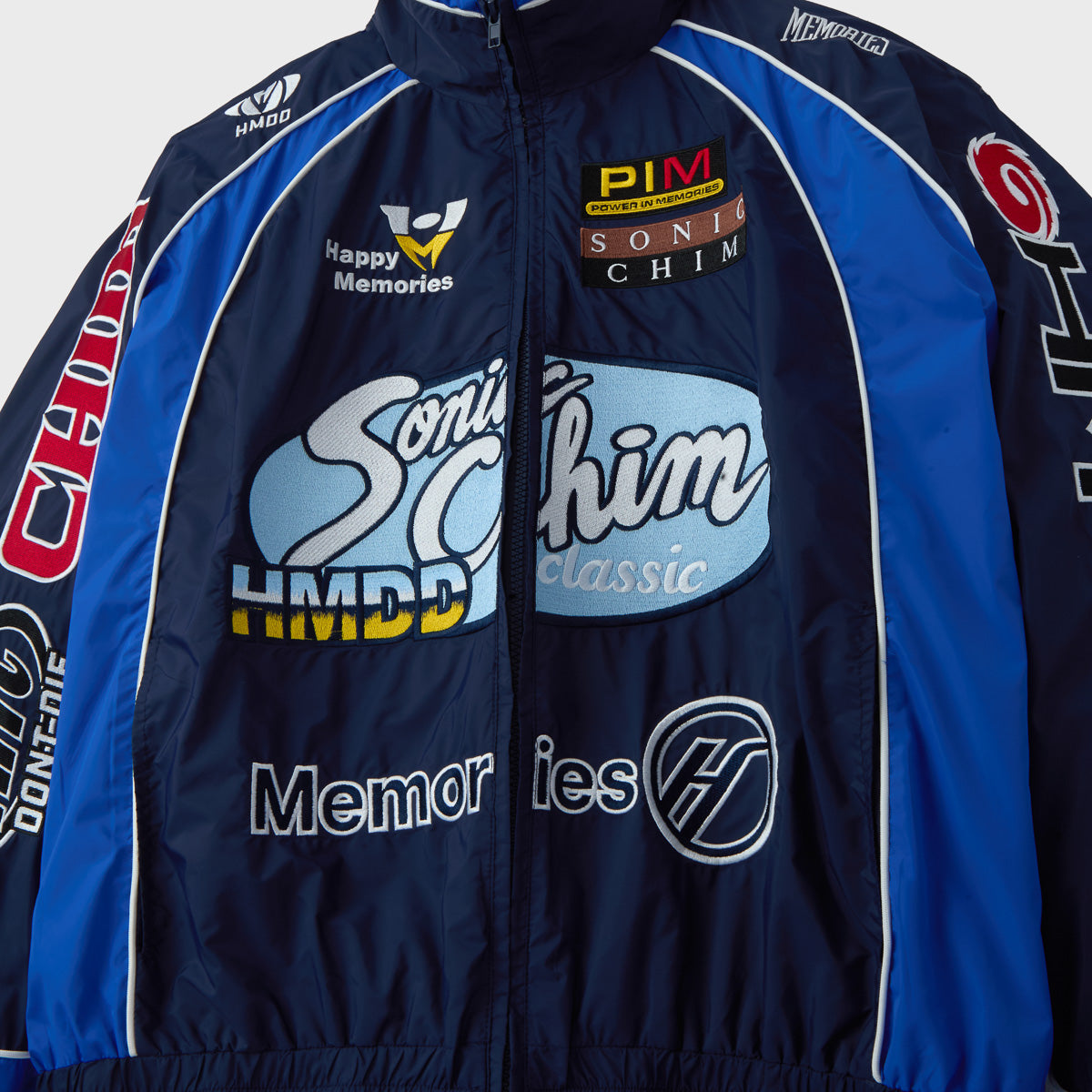
  • How to Style HMDD Mesh Shorts Fabric and Feel

    Shopping HMDD Garments via the Internet: A Beginner’s Primer

    Walking into the world of HMDD early on can be a touch confusing. The label’s name is an abbreviation for “Happy Memories Don’t Die,” a phrase that appears across collections, artwork, and even the way the label talks about its own identity. If you’ve stumbled onto HMDDLA on apps like Instagram or TikTok or spotted a tagged photo with HMDD clothing, you’re likely asking yourself how to begin, what to expect size-wise, and whether the buzz lines up with what you actually get. What follows covers the nuts and bolts of buying from the label on the web, without the fluff.

    Where plenty of streetwear names lean heavily on branding alone, HMDD shapes its lineups around an atmosphere — wistful, a little melancholic, but still wearable day to day. This push-pull between emotion and street style is part of why new shoppers get curious. The moment you grasp how releases and sizing are structured, actually buying gets far less puzzling.

    What Exactly Is HMDD?

    HMDD represents “Happy Memories Don’t Die,” and this line works almost as a guiding statement for the entire label. Instead of pursuing whatever trend comes each season, the brand revisits and reshapes this idea across hoodies, tees, shorts, and sweatpants. You’ll find the phrase written out completely on some pieces and condensed into HMDD on others, which is good to remember if you’re happy memories don’t die shorts working out authentic items from knockoffs.

    Stylistically, it lands between vintage-flavored streetwear and contemporary loungewear. Graphics often reference emotional or reflective themes rather than aggressive branding, which separates it from many rivals in a similar price range. It doesn’t lean on a single signature logo the way certain established streetwear names do — it’s centered on a message, expressed through different visuals across each collection.

    Given that the label functions chiefly online, most shoppers first come across it on Instagram or TikTok, not the site itself. That’s a common starting point, but it means many new shoppers arrive with concerns over legitimacy, sizing, and whether some online HMDD review can really be trusted. All three points are covered below.

    Picking Out the Ideal Products: Sweatpants, Shorts, and Beyond

    Out of everything on offer, it’s hmdd sweatpants and hmdd shorts that attract the most first-time buyers. Both are designed with a relaxed, slightly oversized fit that’s turned into the norm across loungewear with a streetwear edge in the past several years. If you’re used to slim-fit basics, anticipate a distinctly more generous silhouette across the waist and leg on the bulk of the bottoms in the line.

    HMDD’s sweatpants usually come with an elastic or drawstring waistband, which adds some wiggle room to fit than rigid-waist pants built to an exact measurement. The shorts operate on the same principle — wider leg openings, more inseam length than you’d find on classic gym shorts, and fabrics chosen to work across all seasons rather than warm-weather wear alone. Should a product listing note the fabric blend or GSM (grams per square meter) figure, be sure to review it before purchasing, since fabric weight in loungewear shifts considerably from release to release and directly affects how cozy or lightweight a piece feels.

    Beyond sweatpants and shorts, most collections also include graphic tees and hoodies that display the same “Happy Memories Don’t Die” messaging. If you’re putting together a fit built from one core piece, starting with sweatpants or shorts as the base and layering a graphic top on top is how most shoppers tend to style this brand, based on the way looks are put together in the brand’s own promotional images.

    Sizing: Common Mistakes First-Time Shoppers Make

    The most common error first-time buyers commit with any brand blending streetwear and loungewear is expecting regular sizing to carry over. Since much of HMDD’s clothing leans toward an oversized, relaxed cut, going with your normal size can lead to something that feels one size up from what you thought you’d get. It’s not just an HMDD thing — it’s common across the streetwear category — but it trips up new shoppers again and again.

    Be sure to consult the particular size chart shown on the listing you’re buying from, rather than presuming all product types size the same. A sizing chart for hoodies won’t necessarily match the chart for sweatpants, since the intended fit and fabric behavior differ between garment types. If measurements in inches or centimeters are provided, check a similar garment already in your closet and line up the numbers instead of relying on your usual letter size (S, M, L, etc.).

    If you’re ordering during a limited drop and can’t return or exchange easily, going a size smaller tends to be the safer call for any piece labeled “oversized” or “relaxed fit,” since those fits already account for added roominess. On the other hand, if a listing explicitly notes a “true to size” or “regular fit” cut, that’s a signal the brand intends it to sit closer to standard sizing conventions.

    Is It Worth It? Making Sense of Customer Reviews

    Anyone googling “hmdd review” before buying is doing the right thing — simply ensure you read reviews with some skepticism rather than accepting each remark uncritically. Pay particular attention to mentions of the weight of the material, how well the stitching holds up, wash durability, and true-to-size feedback rather than non-specific remarks like “love it” or “great brand,” which aren’t genuinely helpful for decision-making.

    Written feedback alone tend to be less reliable than ones accompanied by photos, because images show accurate color rendering and how different builds are fitted. If a review platform allows filtering by size or body type, use that filter aggressively — someone 6’2″ shouldn’t expect the same fit results a 5’6″ reviewer described.

    Give weight to agreement found across several reviews rather than fixating on one overly positive or negative review. A single complaint about a slightly crooked print doesn’t necessarily indicate a quality-control problem across the whole line, but five independent mentions of the same seam issue on a single item signals a real, noteworthy pattern. Be sure to check when the review was posted too — a review from an early 2023 drop may not reflect current production quality if the brand has since changed manufacturers or materials.

    How HMDD Compares to Similar Loungewear Brands

    For context, here’s a broad breakdown of how HMDD’s core categories stack up against the usual players in the same streetwear-loungewear space. This isn’t brand-specific pricing (since pricing shifts with every drop) but rather a broader structural look of what shoppers typically encounter across this category in 2026.

    Feature HMDD Clothing Typical Mass-Market Loungewear Typical High-End Streetwear
    Fit Style Relaxed / oversized Classic, close-fitting cut Varies, often oversized
    Release Model Scarce, timed releases Ongoing replenishment Scarce, timed releases
    Aesthetic Priority Statement-led design work Minimal branding Emblem-forward design
    Primary Sales Channel Direct-to-consumer online Physical stores plus e-commerce E-commerce plus chosen retail partners
    Aftermarket Appeal Moderate, drop-dependent Minimal High

    HMDD, according to this comparison, sits closer to a premium streetwear approach through its scarcity-driven releases rather than ongoing replenishment, all while preserving the convenience of buying direct online. Pairing scarcity with accessibility is part of why some items disappear fast and why checking release dates matters if you’re aiming to secure a certain item before it sells out.

    How to Make Your First Order Go Smoothly

    Prior to making your initial purchase, create an account on the brand’s official site if one is offered, since alerts for new drops and restocks are typically sent to signed-up members ahead of the general public. Falling behind by just 30 minutes on an alert can mean missing out entirely on a scarce item, especially for less common sizes that go the quickest in scarce, timed releases.

    Before you buy, confirm the policy on returns and exchanges, particularly for discounted pieces or limited releases — many streetwear brands restrict returns on final-sale merchandise. When measurements appear in centimeters and inches are more your comfort zone, translate the figures in advance rather than guessing — a small two-or-three-centimeter error in a waist measurement can be the deciding factor between keeping the piece and sending it back.

    When you complete the purchase, save images of the listing details, pricing, and measurement chart. This may feel like too much, but pages for limited releases sometimes get updated or removed once stock runs out, and holding onto your own documentation makes any customer service conversation about sizing or condition much easier to resolve.

    Final Thoughts

    Buying from HMDD as a newcomer doesn’t need to be complicated once you understand the basics: easygoing sizing, design rooted in the “happy memories dont die” ethos and a limited-drop release model that pays off for buyers who act promptly and read sizing info carefully. Whether sweatpants, shorts, or a graphic tee catch your eye, identical rules apply — take your measurements before purchasing, scrutinize reviews rather than taking them at face value, and treat sizing charts as gospel rather than guesswork. Stick to that, and your first purchase will much more likely fit as anticipated.

  • Delicate Tory Burch Style Tory Burch USA

    Tory Burch Shoes: All of the Category, Examined

    If you want to decode this label, start with the footwear, since that is where the bulk of purchase decisions are really settled. A leather thong sandal introduced in 2008 became the instantly familiar centrepiece the label produces, and everything else was built outward from it. This walks through each live category as observed in September 2026, complete with the styles filling it and the prices they carried. Those are observed market prices taken from live listings rather than an official price list, and they vary by season, market, material and channel. Pay attention to names, since Kira, Eleanor, Romy and Pierced cover handbags as well as shoes, while Miller also names a bag family. Read the grouping first and the name second.

    Sandals: The Miller and All That Follows

    The Miller anchors the entire footwear business, and it is why tory burch shoes read clearly at a distance. It is a flat leather thong carrying a circular laser-cut Double T at the toe, introduced in 2008 according to trade coverage. A single season can carry twenty or more variants, so shoppers naturally assume they are looking at separate lines. The Miller Cloud is a cushioned reinterpretation rather than a rival franchise, and it holds Cloud Light, Cloud Lug and Cloud Pave Knotted sub-variants. Arranged around it are the Ines slides, the Romy slides and flip-flops, the Pierced styles and the Patos T-strap. Observed prices ran from $125 for the Mini Miller Jelly through $200 for the leather Miller to $425 for the Pierced Wedge Sandal.

    Ballet Flats: The Reva, Then Its Successors

    No product here has its recent history misreported more frequently than the Reva, the other historic pillar of the range. Named for the founder’s mother Reva Robinson and dated by consistent report to 2006, it is a soft round-toe flat carrying a cast Double T medallion. Because the style was paused in 2017, any piece written between then and 2024 calling it a current bestseller was mistaken. A redesigned version came back in 2025 with a rounder toe, an enlarged logo element, a reduced colour range and a mule version. The relaunch price was reported at roughly $330 to $350 against the original $195, which indicates repositioning rather tory burch platform sandals than revival. The Reva Punk Travel Ballet was observed between $275 and $325, and the Punk Heeled Ballet at $350.

    Loafers, Slippers and the Understated End of the Range

    Loafers are the quietest corner of the range, and also the corner that pays back close reading. As observed in September 2026, the group took in the Classic Loafer, the Ruched Loafer, the Tassel Loafer, the LeeLee Loafer and the Lock Smoking Slipper. These are leather-upper styles on flat soles or low stacked heels, with branding appearing as vamp hardware rather than a cutout. Prices cluster tightly: the Classic, Ruched and LeeLee Loafers and the Lock Smoking Slipper were all observed at $325. Between $350 and $375 sat the Tassel Loafer, which places loafers above the leather Miller sandal and level with the upper sandal band. Because they are closed and can take a liner, they are the most forgiving choice for anyone who finds the flats narrow.

    Wedge Heights and Espadrilles

    Here the espadrille is a fully stocked category, not a seasonal afterthought. The Miller Beaded, the Miller Capri Wedge, the Ines Wedge, the Eleanor Wedge, the Turnlock Wedge and the Braided Sandal Espadrille formed the observed line-up. Construction is a jute-wrapped wedge under a leather, woven or beaded upper, delivering height without the pressure point of a stiletto. Pricing started from $250 for the Ines version, then stepped through $275 and $295 for the Eleanor and Turnlock versions. Observed figures reached $350 for the Miller Capri Espadrille Wedge and $375 for the Braided Sandal Espadrille, with the Miller Beaded landing between $300 and $350. A Woven Platform Sandal at $375 gives similar height on a flatter base, though jute handles weather badly.

    Sneakers and Trainers

    Sneakers are a smaller but fully current category that overlaps with the performance side of the business. The Field Sneaker, the Hank Field Sneaker, the Hank Ballet Sneaker, the Ballet Sneaker, the Good Luck Trainer and the Tory Trainer formed the observed group. Most distinctive is the ballet-sneaker idea, which places the low-cut, wide-opening shape of a flat onto a cushioned sole. Pricing is unusually flat, with all four sneaker styles observed at $250 and the two trainers at $300. The Hank Ballet Sneaker turns up in the Tory Sport section too, at the same price, which is a reminder that Sport sits inside the main range. Anyone defeated by the narrow cut of the flats will find these the most accommodating shoes the brand makes.

    Boots

    Boots carry both the highest observed prices here and the broadest range of construction. Under Romy sit a Chelsea boot, a heeled Chelsea, an ankle boot and a lug-soled heeled boot, and Charlie contributes ankle and tall boots. Beside the standalone Money Clip, Multi Buckle, Georgia and asymmetric cap-toe styles, Turnlock supplies a riding boot and two ankle boots. Observed figures started at $395 for the Romy Chelsea and $450 for its heeled version, with the Charlie, Turnlock and Romy ankle boots landing at $475 to $495. Observed figures put the Turnlock Heeled Ankle and Georgia Heeled Ankle Boots at $500, with the asymmetric cap-toe at $525. The ceiling extended to $600 for the Turnlock Riding Boot, $695 for the Charlie Tall Boot and $750 for the Multi Buckle Boot.

    Heels

    Heels form a smaller category than the flats, and it separates into two different halves. The kitten heels within the Miller family occupy one side, taking the recognisable toe cutout onto a low slender heel. The Miller Capri Kitten Heel was observed at $275 and the Miller Crystal Kitten Heel at $600, and embellishment accounts for that jump. On the other side are the runway-led pumps, which have become the dominant show shoe rather than a side note. Reporting on the Spring 2026 collection described pumps trimmed with metal rings or beading, shown with crisp tailoring and midi skirts. Since the runway is the same brand and not a separate tier, those pumps carry straight into the seasonal collection.

    Observed 2026 Prices, Read Category by Category

    Set side by side, the categories show how the ladder is genuinely put together. At the bottom sit the jelly and rubber sandals, which act as an entry point at gift-level money. Leather sandals form the widest band, with the Miller at $200 deliberately positioned at the foot of the leather ladder. Loafers, espadrilles and sneakers occupy a tight middle where most of the assortment lives. Boots take the top, while heels stay the least predictable band because price follows embellishment rather than construction. Every figure below is an observed market price recorded in September 2026 and not a published or guaranteed price list.

    Category Styles that stand for it Range observed, September 2026
    Rubber and jelly sandals Mini Miller Jelly, Miller Cloud Light $125 to $150
    Leather-upper sandals Miller, Miller Cloud, Ines Slide $200 to $250
    Statement styles Pierced Slide, Beaded Flat Sandal $350 to $425
    Ballet flats Reva Punk Travel Ballet, Punk Heeled Ballet $275 to $350
    Loafers and smoking slippers Classic Loafer, Tassel Loafer $325 to $375
    Wedges and espadrilles Ines Wedge, Braided Sandal Espadrille $250 to $375
    Sneakers and trainers Field Sneaker, Tory Trainer $250 to $300
    The boot group Romy Chelsea, Charlie Tall Boot $395 to $750
    Heeled styles Miller Capri and Crystal Kitten Heels $275 to $600

    Fit and Width, as Buyers Report It

    What follows is not brand policy at all but the product of long-running buyer discussion. Reports regularly put the Miller as slightly small and narrow, with half a size up the usual advice between sizes. A wide width exists for the Miller, and a wide Ines Slide has been observed, so options exist for some styles but not all. Reports on the Reva are mixed, though there is near-universal agreement that it is narrow through the toe box and shallow over the instep. Longer discussion threads indicate the footwear line skewing narrow overall, and that is the single most useful thing to know before ordering unseen. Closed styles such as loafers and sneakers are the most forgiving, and jute-soled espadrilles the least adjustable once worn.

    Buying, Markdowns and Care

    The main discount event is the recurring Semi-Annual Sale, and a July 2026 edition was covered at up to around half off. Beyond that, a tory burch sale can take the form of a tiered site-wide promotion, with an account-gated Private Sale carrying final-sale exclusives. Genuine off-price stock arrives at Nordstrom Rack, TJ Maxx and Marshalls, while Saks OFF 5TH closed its online store entirely following Saks Global’s early-2026 bankruptcy. Physical outlet stores exist in premium outlet centres, but anyone searching tory burch outlet should know the company states it runs no online outlet. Because China, Italy and Portugal are all genuine origins for tory sandals and every other category, country of origin means nothing. As for care, pre-treat leather and suede with a protective spray, and dry-buff plated hardware instead of polishing it.

  • Iconic Valentino Shoulder Bag Quilted Leather Craft

    How to Choose Your First Valentino Garavani Bag

    Choosing a first Valentino bag raises more working parts than the number on the tag lets on. Fifteen live lines are running at once, with the spread running from a $650 VLogo Signature clutch to a $7,900 embroidered Panthea and from raffia to ostrich. What matters is not landing on the best bag but being honest about the shortlist: what you carry, how often you carry it, and how loud you want the result to be. It also means understanding two things that catch new buyers out: why the bags read GARAVANI, and what the resale market truly returns. The sequence here is the one that works: use first and motif last. Treat the figures as observed 2026 market prices on the brand’s own US site, not as an official price list.

    Begin With What You Carry, Not What You Like

    The bag in daily rotation is the place to start, well before you consider anything new. Valentino shoulder bags are comfortably the deepest current category, running from DeVain at $2,100 to $3,900, through Rockstud Spike at $2,550 to $3,700 and Locò at $2,700 to $5,900, up to Panthea at $3,800 to $7,900. For a lower ticket, totes deliver: Rockstud Mini Shopping at $1,390 https://valintinobags.com/tote-bags/ to $1,850, VLogo Signature Shopping bags at $2,650 to $3,750, Jean Medium Shopping bag at $3,650. Set on a Valentino crossbody bag narrows things fast: the small Rockstud crossbody sits at $1,650 to $1,950, a Rockstud Spike crossbody clutch at $2,400, a Rockstud chain wallet at $1,250. Be aware that the brand’s own US site has no crossbody category page at all, and navigates by Shoulder Bags, Totes, Top Handle Bags, Clutches, Wallets and Small Leather Goods. There, crossbody is a description rather than a section, so search by style name or use a retailer that maintains one.

    Budget in Bands, Not Single Figures

    Budgets stated as a single figure have a habit of drifting upward, so pick a band instead. A seasonal Valentino bag sale may shave the sticker, but bands are the honest way to plan. The entry band, roughly $650 to $1,500, buys VLogo Signature clutches at $650 to $790, Rockstud wallets at $1,250, the Rockstud mini shopping bag at $1,390 to $1,490 and the VLogo mini bucket at $1,450. The middle band of $1,650 to $3,600 is the commercial core, carrying most of Rockstud, Rockstud Spike, Locò, VSling and the VLogo shopping bags. Above that, the top band runs $3,700 to $7,900 and holds embroidery, crystal and pearl work and exotics: python at $5,650, a VSling with pearls at $6,550, ostrich at $7,600, an embroidered Panthea at $7,900. Start in the middle band if you can: it holds the full-size, everyday-capable versions of the recognisable styles, which is where the arguments are clearest. Never read the entry band as a compromise; a $1,390 mini shopping bag is a real Valentino tote bag in the same materials as its dearer siblings.

    A Shortlist That Earns Its Place

    The table below is a starting shortlist rather than a ranking, built from styles that are currently live and priced where a first buyer tends to look. Line by line, an intention meets a specific bag and the observed price for its cheapest material. Exotics, embroidery and crystal work are missing on purpose: a first bag should be one you use, not one you protect. Take every price as an entry point within the style, because the same silhouette will cost more in laminated calfskin, nappa or pony-effect. The last column is the practical argument for the bag, not a style verdict. Where two rows appeal equally, go with the one whose shape matches the bag you already reach for on a normal weekday.

    If you are after Style to consider Observed market price Why it earns a first slot
    The lowest true entry point VLogo Signature clutch, grainy calfskin $650 to $790 Same hardware and materials, smallest commitment
    A tote for ordinary days Rockstud Mini Shopping, grainy calfskin $1,390 The most recognisable motif, lowest tier
    Hands free, every day Rockstud small crossbody $1,650 to $1,950 The most useful shape, backed by strong resale history
    Structure and a formal edge Rockstud small shoulder in grainy calfskin $2,100 Shape holds; carries from office to evening
    Softness over structure Rockstud Spike small, suede $2,550 Quilting and a matte surface, not hard edges
    Branding without studs VLogo Signature shopping bag $2,650 to $3,750 Quieter branding with genuine capacity
    A piece that makes a statement Locò in calfskin, small $2,700 to $2,950 A sharp shape, backed by strong flap-bag retention

    Loud, Or Quiet?

    At this point does taste get a say, since motif decides how much the bag announces itself. The signature is Rockstud: pyramid studs introduced in Fall 2010 by Maria Grazia Chiuri and Pierpaolo Piccioli, then co-creative directors, first on footwear and citing the bugnato rustication of Roman architecture as inspiration. In Rockstud Spike the idea turns soft, settling into quilting with maxi studs that reads less severe in the hand. VLogo Signature is the quiet one, working the contemporary V emblem as hardware and closure across clutches, buckets, bowling bags and shopping bags. Where VSling builds the V into a sculptural metal handle and closure, Locò is the sharp, small, evening-capable flap. Further from the obvious signatures, Panthea and DeVain repay buyers who want the house without the shorthand.

    Pick the Material Your Week Can Survive

    Ageing well and merely surviving are two different outcomes, and material settles which one you get. The default first purchase is grainy calfskin, which holds shape, resists scuffing, hides fingerprints and sits on the cheapest rung in most lines. Suede is priced almost level with it, sometimes below it, but demands a brush, a protector spray and real avoidance of rain and oils. Nappa is a step up in both price and softness, roughly ten percent more at small sizes, and it burnishes at the corners over time. Premiums of about a quarter to a third apply to laminated, metallic and pony-effect finishes, which fail at the finish rather than the leather and therefore punish crowded storage. Exotics and heavy decoration are wonderful and entirely wrong for a first bag, since they need professional care and turn every outing into a calculation.

    Shop Current or Shop the Archive?

    The archive is worth understanding before you shop, even though a first bag is usually better bought current. Read Roman Stud as transitional; a small denim Handle Bag was observed at $3,550 but flagged as a reserved product rather than orderable, and the line now reads as drifting toward resale. One Stud has dropped out of the current filters, with a large nappa tote appeared at $1,695 through a third-party retailer rather than officially. The VLogo Escape tote is reported discontinued by a resale platform, Supervee is resale only with a pre-owned VLogo Supervee shoulder bag observed around $866, and the Garavani Stud Sign is clearing rather than current. Candystud comes up constantly in resale commentary as a classic but is not verified as a current line. Buy archive when you want a specific shape and are comfortable with authentication, and buy current when you want a warranty conversation, a dust bag and a return window.

    What Comes Back on Resale

    The claim that Valentino bags hold eighty percent of their value circulates widely, and it does not survive contact with the data. Verified resale figures put Valentino handbags at roughly 41 percent retention overall, with the strongest individual styles landing between 50 and 58 percent. Specifically, the Roman Stud Flap has been recorded at 58 percent, the VLogo Locò Flap Shoulder at 57 percent, the Rockstud Drawstring Bucket and Rockstud Flip Lock Flap at 56 percent, and the Rockstud Pouch Crossbody at 50 percent. Mid-tier, in other words: well below the strongest houses, well above nothing, and consistent in one respect, namely that the instantly recognisable motif bags resell best. A bag is not an asset class, and none of this is investment advice. Treat it as nothing more than a useful reason to favour a signature silhouette in a durable material for a first purchase.

    The Name on the Label, Before You Buy

    One last check outranks everything else on this page. The luxury house’s bags read VALENTINO GARAVANI, and that second word is a contractual obligation stemming from a 1979 coexistence agreement with Mario Valentino S.p.A., a separate and unrelated Naples company founded in 1952. Bags branded “Valentino by Mario Valentino” surface at off-price retailers including Nordstrom Rack, Saks OFF 5TH and TJ Maxx, and they are authentic products of that other company rather than discounted Garavani. The safe routes are the house directly and verified stockists such as Neiman Marcus, Bergdorf Goodman, Saks Fifth Avenue, Nordstrom, Mytheresa, Net-a-Porter, Farfetch, Selfridges, Harrods, Giglio and Tessabit. Know too that no date-code system exists here, only a serial number on an interior tag that not every bag carries, so any seller promising to decode a date code is improvising. Get those two facts right, and everything left in the decision is taste.